Momentum Infosystem – Technology & Implementation Division of Velocity Consultancy Now in India with 15+ Years of US Expertise

Category: Digital Marketing

  • How Digital Marketing Helps Businesses Grow: Proven Strategies for Success

    The Power of Digital Marketing in Fueling Business Growth


    In today’s fast-paced digital world, businesses must leverage digital marketing strategies to stay competitive, build brand awareness, and reach their target audiences. Whether you are a small startup or a large corporation, digital marketing is the key to achieving sustainable business growth. In this blog, we’ll explore how digital marketing can help your business thrive by utilizing proven techniques that drive results.


     1. Search Engine Optimization (SEO)


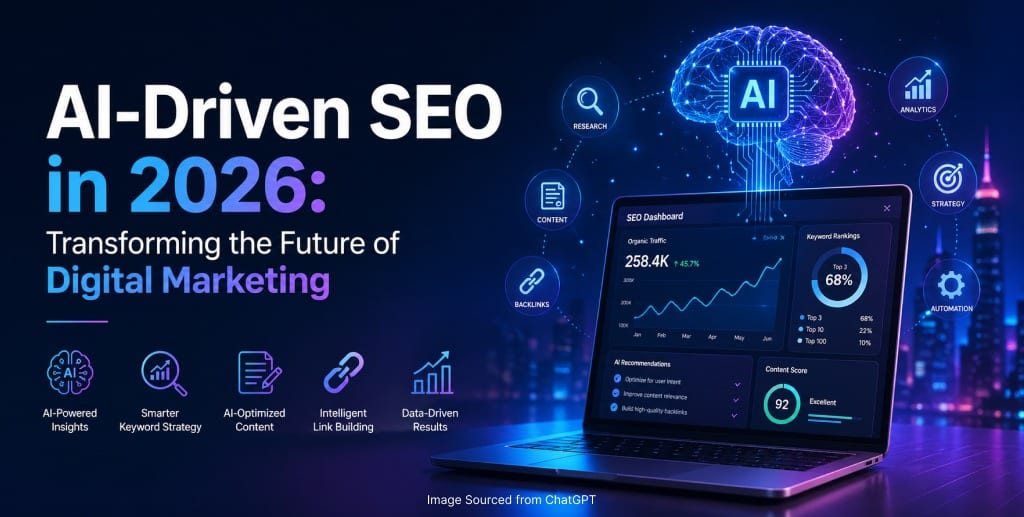
    SEO is the backbone of digital marketing. By optimizing your website for search engines like Google, you can increase its visibility and organic reach. When your website ranks higher for targeted keywords, it is more likely to attract traffic from users who are actively searching for your products or services.

    • On-Page SEO: Optimizing your website’s content, meta tags, images, and internal links to make it more search-engine friendly.
    • Off-Page SEO: Building high-quality backlinks from authoritative sites to improve your website’s authority and ranking.
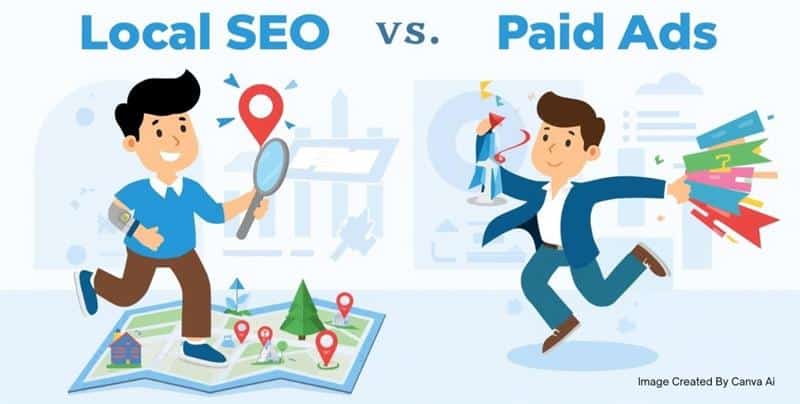
    • Local SEO: For businesses with a physical presence, optimizing for local searches helps increase foot traffic and visibility among nearby customers.

    Why It Drives Business Growth: By improving your search engine rankings, SEO helps your business get discovered by a larger audience, which can translate into increased website traffic, more inquiries, and ultimately, higher sales and revenue.

     2. Pay-Per-Click Advertising (PPC)

    PPC is an advertising model where businesses pay each time a user clicks on one of their ads. Platforms like Google Ads and Facebook Ads allow businesses to target specific audiences based on factors like location, interests, and browsing history.

    • Immediate Traffic: Unlike SEO, which takes time, PPC offers instant visibility and traffic to your website. 
    • Highly Targeted: You can target ads based on demographics, location, and user behavior, ensuring you reach the most relevant audience.
    • Measurable Results: With PPC, you can track the performance of your ads in real time, allowing you to make data-driven decisions to optimize your campaigns.

    Why It Drives Business Growth: PPC is perfect for businesses looking to generate quick results. By targeting high-intent keywords and using compelling ad copy, you can drive targeted traffic and convert leads into customers, accelerating your business growth.

     3. Social Media Marketing

    In the modern age, social media platforms like Facebook, Instagram, LinkedIn, and Twitter provide businesses with the opportunity to directly engage with their audience, increase brand awareness, and drive traffic to their website.

    • Brand Awareness: Social media allows businesses to showcase their products or services to a broader audience, building brand recognition over time.
    • Content Sharing: Posting valuable content like blog articles, infographics, and videos helps establish your business as a trusted authority in your industry.
    • Paid Ads: Social media platforms offer advanced targeting options for paid advertising campaigns, allowing businesses to focus on their ideal customers.

    Why It Drives Business Growth: Social media marketing builds brand credibility and fosters customer relationships. By engaging with followers and running paid campaigns, businesses can generate leads, increase conversions, and ultimately drive revenue growth.

    4. Email Marketing

    Email marketing remains one of the most effective ways to nurture relationships with existing customers and engage potential leads. By sending personalized, targeted emails, you can encourage repeat purchases, promote new products, or announce special offers.

    • Segmentation: Segment your email list based on customer preferences, behavior, and demographics, allowing you to send tailored messages to each group.
    • Automation: Set up automated email sequences that nurture leads through the sales funnel, increasing the likelihood of conversion.
    • Personalization: Personalized subject lines and content significantly boost open rates and engagement.

    Why It Drives Business Growth: Email marketing is highly cost-effective and offers a high return on investment (ROI). By nurturing leads and providing valuable content to your audience, email marketing can directly influence purchasing decisions, boosting sales and increasing customer retention.

     5. Content Marketing

    Content marketing involves creating valuable, relevant content that educates, informs, and entertains your audience. By consistently publishing high-quality content, businesses can drive traffic, build credibility, and increase customer loyalty.

    • Blogging: Regularly posting informative blog articles helps improve SEO, drive traffic, and establish your business as an authority.
    • Video Marketing: Videos are highly engaging and can convey complex information in an easy-to-understand format. Platforms like YouTube are ideal for promoting your products, services, or brand.
    • Ebooks and Whitepapers: Offering in-depth resources like ebooks and whitepapers allows you to collect leads and nurture relationships with potential customers.

    Why It Drives Business Growth: By offering value through content, businesses can attract, engage, and retain customers. Content marketing helps establish your brand as an expert in your industry, which builds trust and drives long-term growth.

    Conclusion:

    Digital marketing is a crucial element for any business aiming for growth in 2025. From SEO to PPC and social media marketing, each digital marketing strategy plays a vital role in increasing visibility, driving traffic, and fostering relationships with customers. By leveraging these strategies effectively, businesses can achieve substantial growth, improve brand awareness, and generate a higher return on investment.

    The key to business growth through digital marketing lies in understanding your target audience, creating valuable content, and continually optimizing your strategies. Whether you’re just starting or looking to improve your digital presence, adopting the right digital marketing strategies will help you stay ahead of the competition and succeed in the digital era.

    FAQs:

    Q1: How long does it take to see results from digital marketing? A1: Results vary based on the strategy. SEO can take several months, while PPC and  social media marketng provide quicker results. However, all strategies are designed for long-term success.

    Q2: What is the best digital marketing strategy for small businesses? A2: A combination of SEO for organic growth, PPC for quick visibility, social media marketing for engagement, and email marketing for lead nurturing is ideal for small businesses.

    Q3: Can digital marketing help businesses in any industry? A3: Yes, digital marketing strategies can be tailored to suit any industry. Whether you’re in retail, healthcare, real estate, or B2B, digital marketing can help you reach your audience effectively.

    Q4: How do I know which digital marketing strategy to focus on? A4: It depends on your goals. If you want immediate results, focus on PPC. If you’re looking for long-term growth, SEO and content marketing are key. Social media marketing is great for brand engagement and building loyalty.

  • Why Social Media Marketing is Essential for Small Businesses in 2025

    The Importance of Social Media Marketing for Small Businesses in 2025 


    In 2025, social media marketing continues to be one of the most powerful tools for small businesses to reach their target audience, engage with potential customers, and drive sales. With billions of active users across platforms like Facebook, Instagram, LinkedIn, and TikTok, businesses of all sizes, especially small ones, must embrace social media to stay competitive.

    The digital age has transformed the way businesses interact with consumers, and social media marketing has become an integral part of this evolution. As a small business, utilizing social media effectively is no longer optional – it’s a must. Here’s why social media marketing is essential for small businesses in 2025 and how you can leverage social media marketing trends to stay ahead.

    1. Increased Brand Awareness

    Social media is one of the best platforms for building brand awareness. With billions of active users daily, platforms like Facebook, Instagram, and TikTok allow businesses to showcase their products, services, and values to a global audience.

    • Engaging Content: Posting visually appealing and valuable content regularly helps small businesses stay visible to their target audience.
    • Hashtags & Trends: Using relevant hashtags and participating in trending topics increases your business’s visibility and makes it easier for users to discover your brand. 

    Why It Matters: For small businesses, brand awareness is crucial for long-term success. Social media marketing helps you consistently stay in front of your audience, making it easier for potential customers to remember and choose your business when needed.

     2. Direct Customer Engagement

    One of the key advantages of social media marketing is the ability to engage directly with your customers. Social platforms allow businesses to communicate with customers in real time, respond to inquiries, and build personal relationships.

    • Two-Way Communication: Unlike traditional forms of marketing, social media allows businesses to have conversations with their customers. Responding to comments, messages, and mentions helps build trust and loyalty.
    • Customer Feedback: Use social media to gather feedback from customers, which can be used to improve products, services, and customer experiences.

    Why It Matters: Engaging with your customers on social media helps build a community around your brand. It allows you to create deeper relationships with your audience, which can drive repeat business and brand advocacy.

     3. Cost-Effective Advertising 

    Social media advertising is one of the most cost-effective ways to reach a highly targeted audience. Platforms like Facebook and Instagram offer robust targeting options, allowing small businesses to run ads tailored to specific demographics, interests, and behaviors. The cost per click (CPC) for social media ads is often lower compared to traditional advertising methods, making it a budget-friendly solution for small businesses.

    • Flexible Budgeting: With social media ads, you can set a daily budget and adjust it based on the performance of your campaigns, ensuring you stay within your budget.
    • Targeting Precision: Social media platforms allow businesses to target ads based on age, location, interests, and behaviors, ensuring that your ads reach the most relevant audience.

    Why It Matters: Small businesses with limited marketing budgets can still achieve significant reach and engagement on social media. It allows for more control over ad spend while still generating measurable results.

    4. Access to Social Media Marketing Trends

    Keeping up with the latest social media marketing trends allows small businesses to remain relevant and competitive. The landscape of social media marketing is constantly evolving, with new features, platforms, and trends emerging each year. By staying informed and adapting to these changes, businesses can ensure that they are using the most effective methods to connect with their audience.

    • Video Content: Video marketing, especially short-form videos (like those on TikTok and Instagram Reels), continues to rise in popularity. Creating engaging video content is a great way to increase engagement and visibility.
    • Influencer Marketing: Partnering with influencers can help small businesses tap into existing communities and drive brand awareness quickly.
    • Augmented Reality (AR): Platforms like Instagram and Snapchat are incorporating AR technology, allowing businesses to create immersive experiences for their audience.

    Why It Matters: Staying on top of social media marketing trends helps your business stay innovative and avoid falling behind competitors. By adopting the latest tools and strategies, your business can continue to capture attention and drive engagement.

     5. Lead Generation and Sales

    Social media is not only about engagement and brand awareness – it’s also an effective tool for generating leads and increasing sales. With social media ads, businesses can run targeted campaigns to attract users who are interested in their products or services. Furthermore, many social media platforms have integrated shopping features that allow businesses to sell products directly through the platform.

    • Lead Generation Ads: Platforms like Facebook and Instagram offer ad formats specifically designed to capture leads, such as lead form ads and sign-up incentives.
    • Shoppable Posts: Platforms like Instagram and Facebook allow businesses to tag products in their posts, making it easier for followers to shop directly from their feed.

    Why It Matters: Social media marketing not only helps build relationships with potential customers but also drives direct conversions. By using social media as a sales channel, businesses can generate leads, convert them into customers, and increase revenue.

    Conclusion:

    In 2025, social media marketing is more important than ever for small businesses. From building brand awareness to generating leads and driving sales, social media marketing trends provide businesses with an affordable and effective way to grow. By embracing social media marketing strategies, small businesses can engage directly with their customers, stay competitive, and thrive in an increasingly digital world.

    For small businesses looking to stay relevant in 2025, investing in social media marketing is no longer an option—it’s a necessity. By utilizing the latest trends, targeting the right audience, and creating engaging content, your business can unlock the full potential of social media and drive meaningful growth.

    FAQs:

    Q1: How often should small businesses post on social media?  A1: It’s recommended to post 3-5 times a week on platforms like Instagram and Facebook, depending on the platform and your audience’s engagement.

    Q2: What are the best social media platforms for small businesses? A2: The best platforms depend on your audience, but Facebook, Instagram, and LinkedIn are the most widely used platforms for small businesses across industries.

    Q3: How can small businesses use social media to increase sales? A3: Small businesses can use social media marketing to increase sales by running targeted ads, promoting special offers, creating shoppable posts, and partnering with influencers to expand their reach.

    Q4: What are the latest social media marketing trends for 2025? A4: Some of the latest trends include video content (like TikTok and Instagram Reels), influencer marketing, augmented reality (AR) experiences, and shoppable posts directly on social platforms.

    Q5: Can social media marketing help with lead generation? A5: Yes, social media marketing is excellent for lead generation. By using targeted lead generation ads, offering incentives, and engaging with users, businesses can collect valuable leads directly from social media platforms.

  • Top 5 Benefits of Search Engine Optimization (SEO) for Local Businesses

    Why Local SEO is Essential for Small Businesses

    For small businesses, standing out in a competitive market is crucial. Local SEO plays a vital role in helping businesses get noticed by their target audience in their geographic area. With more customers turning to search engines to find local products and services, implementing effective local SEO services is essential for growth. By working with an experienced SEO company, businesses can improve their online presence and attract local customers.

    1. Increased Local Visibility

    One of the primary goals of local SEO services is to improve your visibility in local search results. When customers search for services or products near them, you want your business to be among the first that appear. Google My Business (GMB) is a powerful tool that helps businesses appear in Google’s local pack the list of businesses that appear with their name, location, and contact information on the search results page.

    Google My Business: Optimizing your GMB profile is one of the most effective local SEO services strategies. Regular updates, adding accurate business information, and engaging with customer reviews can significantly boost your local visibility.

    Local Keywords: Using location-specific keywords on your website ensures that people searching for businesses like yours in your area can easily find you.

    2. Enhanced Credibility and Trust

    When your business shows up in local search results and has positive reviews on your Google My Business profile, it builds trust with potential customers. Local SEO can enhance your credibility, especially if your business consistently appears in local searches and has strong customer reviews. This trust can influence consumer decisions, as people are more likely to choose businesses with good online reputations.

    Customer Reviews: Google reviews directly impact your local rankings. A well-maintained GMB profile with positive customer reviews helps increase your credibility.

    Local Directories: Listing your business on reputable local directories (such as Yelp or TripAdvisor) also builds trust and authority, signaling to Google that your business is reliable.

    3. More Targeted and Relevant Traffic

    With local SEO services, you are focusing on attracting customers who are actively searching for your products or services within your geographic area. Unlike broad SEO efforts, which can attract a wider range of traffic, local SEO ensures you’re bringing in highly relevant traffic. This means users who are more likely to make a purchase or request services because they are specifically looking for what you offer.

    Location-Specific Keywords: Using keywords such as “best bakery in [city]” or “plumber near me” makes your business appear in searches made by people in your local area.

    Intent-Based Searches: Local SEO helps capture high-intent searches from users who are ready to make a decision. For example, someone searching for “buy shoes in [neighborhood]” is likely looking to make a purchase.

    4. Cost-Effective Marketing

    Compared to traditional advertising methods, local SEO is incredibly cost-effective. By focusing on your local audience, you can generate highly targeted traffic without the need for large-scale marketing campaigns. Once your website and online presence are optimized for local searches, the ongoing costs are relatively low.

    Long-Term ROI: Unlike paid ads, which stop bringing in traffic once the budget is exhausted, local SEO provides long-term benefits. Once you achieve good local rankings, the traffic continues to come in without needing constant investment.

    Free Local Listings: Google My Business is free to use, and optimizing it can significantly improve your rankings in local search results at no cost.

    5. Improved User Experience

    Local SEO is not just about rankings; it also focuses on improving the user experience on your website. Google prioritizes websites that load quickly, have easy navigation, and offer valuable, location-specific content. By implementing local SEO services, you can enhance the user experience, which directly influences your rankings and engagement.

    Mobile Optimization: More and more local searches are happening on mobile devices. Ensuring your website is mobile-friendly and loads quickly will improve user experience and your local SEO rankings.

    Optimized Contact Information: Having clear, accessible contact information and an easy-to-navigate website makes it easier for customers to find your business online and contact you quickly.

    Conclusion:

    For local businesses, local SEO is essential for attracting relevant, high-quality traffic, improving visibility in local search results, and ultimately driving more foot traffic and sales. By optimizing your website, improving your Google My Business profile, and targeting location-specific keywords, you can enjoy the benefits of local SEO. Whether you’re a small service provider, a local retailer, or a hospitality business, local SEO services are key to establishing a strong online presence and gaining a competitive edge in your area.

    Investing in local SEO strategies will not only increase your local search rankings but also help you build credibility, attract more customers, and ultimately grow your business.

    FAQs:

    Q1: What is Google My Business and why is it important for local SEO?A1: Google My Business is a free tool that allows businesses to manage their online presence across Google, including local search results and Google Maps. Optimizing your GMB profile ensures that your business appears in local search results and helps build trust with customers through reviews and accurate business information.

    Q2: How long does it take to see results from local SEO?A2: The time it takes to see results from local SEO can vary, but typically, businesses begin to see improvements in local rankings within 3-6 months of implementing local SEO strategies.

    Q3: How do I optimize my Google My Business profile for better local SEO?A3: To optimize your GMB profile, ensure that all your business information is accurate, complete, and consistent across platforms. Add high-quality photos, encourage customers to leave reviews, and post regularly to engage with your audience.

    Q4: Can local SEO help my business compete with larger companies in my area?A4: Yes, local SEO levels the playing field. By optimizing for location-specific keywords and focusing on your community, small businesses can effectively compete with larger companies that may have more resources but lack a strong local presence.